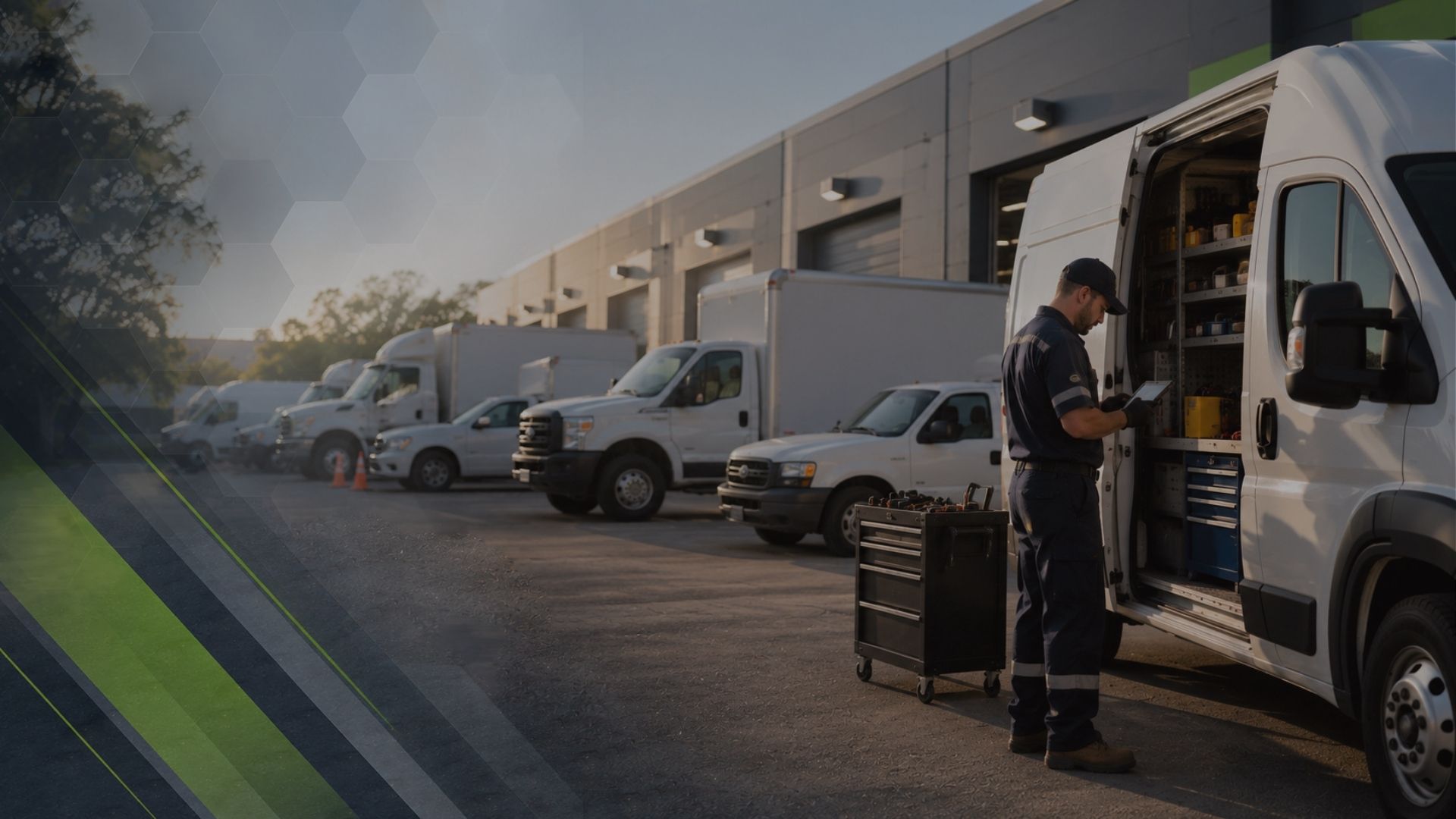
Inspection and maintenance requirements need to be part of a fleet's operating process, not a separate task remembered only when a deadline approaches. This collection focuses on equipment records, inspection planning, and defect follow-up for fleet managers reviewing their responsibilities.
Requirements vary with the vehicles and operations involved. Federal rules, state requirements, and equipment-specific obligations may all need consideration. Use current official guidance to establish what applies to your fleet; a general blog checklist cannot determine that for every operator. The FMCSA Motor Carrier Safety Planner is a useful place to begin that review.
Keep different inspection duties clear
Driver checks, scheduled maintenance, and periodic inspections serve related but distinct purposes. Completing one does not automatically satisfy the others. For covered operations, 49 CFR 396.13 addresses driver responsibilities before operation, while 49 CFR 396.17 addresses periodic inspections.
Build the applicable requirements into the schedule and record system for each unit. Confirm that completed documentation belongs to the correct equipment, especially when trailers change tractors or move between locations. An appointment reminder is useful, but it is not evidence that the work was completed.
Make records easy to retrieve
Start with a consistent unit identifier. Connect inspection documentation, service history, reported defects, and completed follow-up to that record. Assign responsibility for collecting documents from providers and keeping the information current.
Our fleet maintenance records guide explains a practical structure for this work. The truck and trailer inspection guide shows how separate equipment records support decisions about a combination being assigned to a route.
Plan maintenance support around the requirements
Discuss the specific work and documentation you need with your provider. Confirm the scope and relevant qualifications rather than assuming that any general service appointment includes a required inspection. On-site fleet management and mobile fleet management can be considered as part of the service plan where the work and location are suitable.
The resources below support better preparation and coordination. Contact Prime Fleet Services to discuss your equipment, current maintenance process, and inspection-related service needs. Keep the applicable rules and qualified review at the center of compliance decisions.