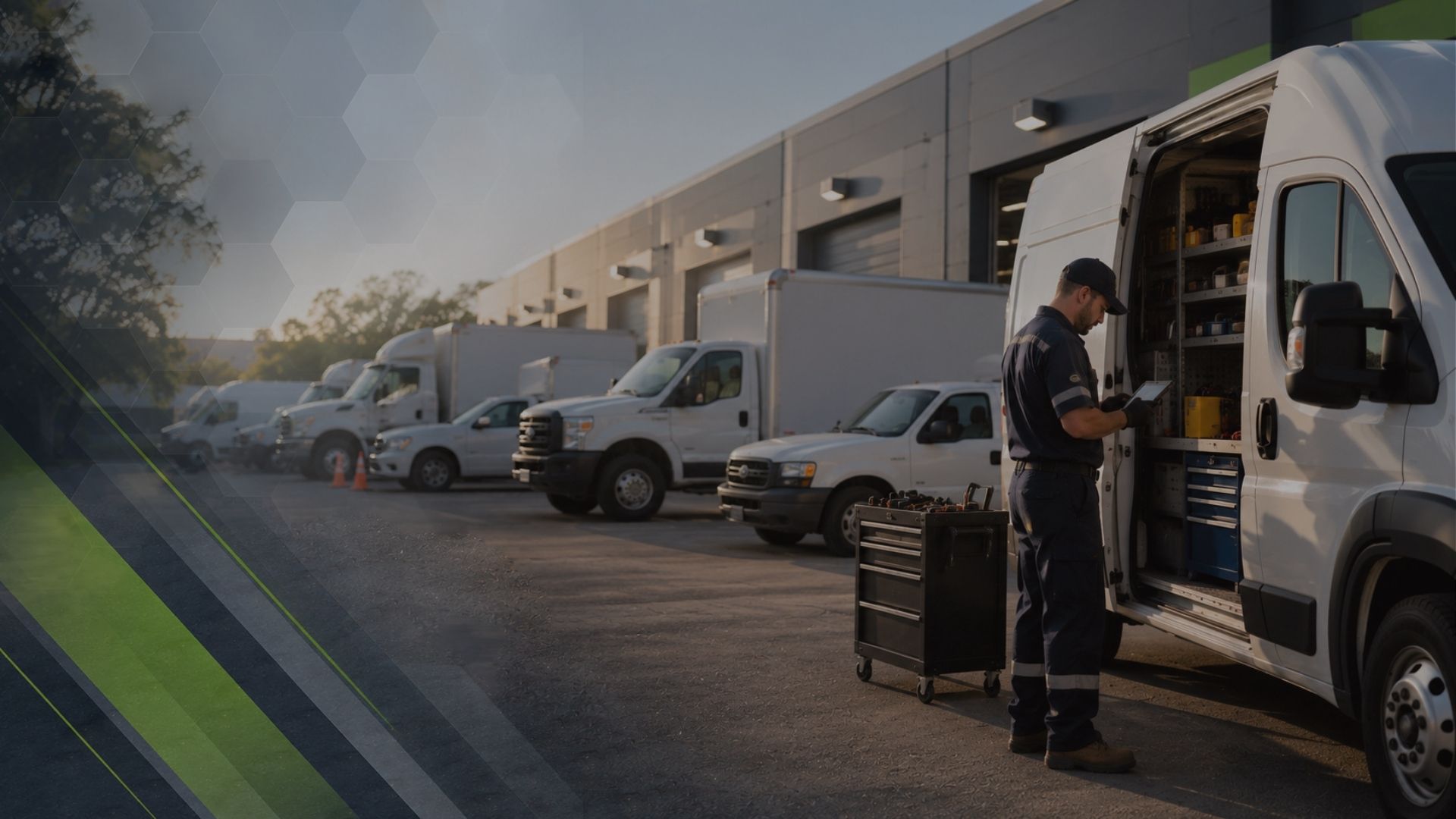
Fleet safety depends on clear decisions about the equipment being sent out to work. Drivers need a way to report concerns, maintenance teams need useful information, and dispatch needs an accurate availability status. This collection focuses on the practical connection between vehicle condition, reporting, and timely follow-up.
A maintenance schedule is important, but it does not replace the need to respond when a vehicle develops a potentially serious problem. Changes in braking, steering, tire condition, or normal operation should reach the person authorized to assess the next action. Route pressure should never be used to override that assessment.
Make driver observations useful
Ask employees to describe what they observed and when it happened. A location, unit number, symptom, and relevant operating conditions can be more useful than a guessed diagnosis. Give every report an owner and communicate the result so drivers know the concern was reviewed.
Our truck and trailer inspection guide explains how identification, routine checks, and equipment records can work together. The guide supports planning; it does not replace equipment-specific instructions, required inspections, or qualified mechanical assessment.
Know when to escalate
Some situations require an immediate change from routine scheduling to an emergency response. Read five signs you need emergency fleet service for a framework covering serious changes in operation, visible damage, and disabled vehicles in exposed locations.
Follow your established emergency procedures when there is immediate danger. Drivers should not be asked to investigate faults in traffic, access unsafe areas, or attempt repairs beyond their training. Share the circumstances with the responding provider so the appropriate resources can be considered.
Connect safety reports to maintenance
A report is only useful if it leads to review and an appropriate action. Keep the original concern, assessment, completed work, and release decision connected to the vehicle. When a symptom returns, the history should be available to the next technician.
Prime Fleet's mobile fleet management and emergency fleet service pages explain available service approaches. Discuss the actual vehicle, location, and work required rather than assuming every concern can be handled in the same way.
The articles below help fleet managers strengthen reporting and maintenance coordination. Contact Prime Fleet Services to discuss your operation's service needs and how vehicle-condition information can move more reliably between drivers, dispatch, and maintenance.