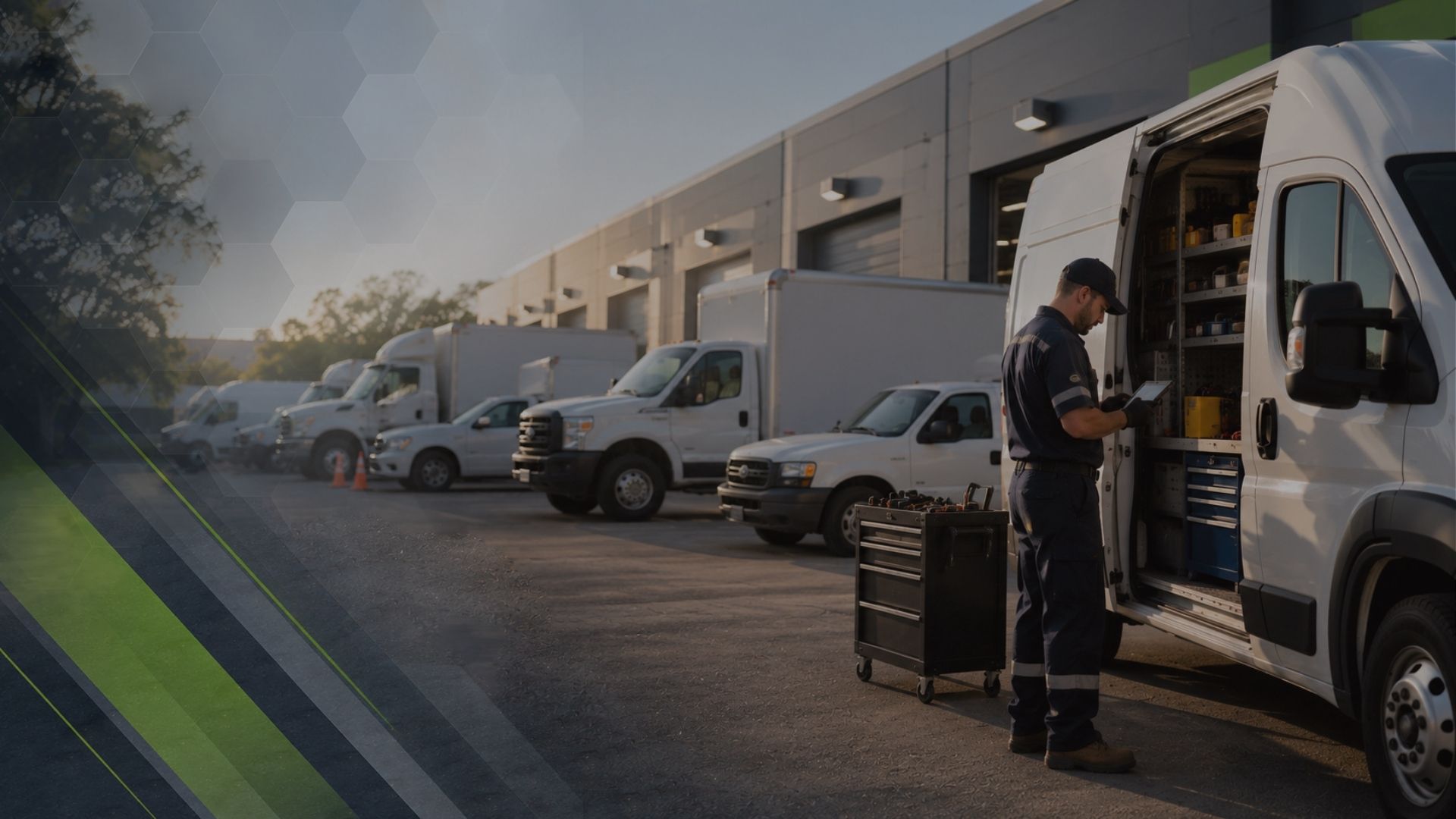
Vehicle maintenance and daily operations affect each other. Dispatch needs equipment available at the right time, while maintenance needs realistic access to complete work. A fleet can have a detailed service schedule and still struggle if those two teams use different information about vehicle status.
This collection looks at the operational side of maintenance: service arrangements, route readiness, construction-site coordination, and the cost of interruptions. The goal is to help fleet managers make decisions from their own workload and records instead of relying on generic promises about savings or availability.
Understand where time is being lost
Start by defining when a vehicle becomes unavailable and when it is released back to service. Separate active repair time from waiting for parts, approval, access, or collection. Those delays have different causes and need different responses.
Our guide to what fleet downtime costs explains how to record direct expenses, additional labor, and changes to scheduled work without double-counting. A delayed delivery is not always a lost sale, and a spare vehicle does not erase all coordination costs. Clear definitions make the analysis more useful.
Choose a service model around the work
Compare on-site and mobile fleet management using vehicle locations, availability windows, and the tasks the fleet needs. Some operations benefit from regular support at a facility; others can organize suitable work into mobile visits. Specialized repairs may require a workshop alongside either arrangement.
Prime Fleet offers on-site fleet management and mobile fleet management. Share the actual operating pattern when discussing scope, access, and how completion updates will reach dispatch.
Adapt the process to the industry
A delivery fleet working to a departure window has different coordination needs from a construction fleet moving between projects. The articles below explore last mile readiness and construction fleet maintenance, including the information that needs to follow vehicles when assignments change.
Use the guides to identify one or two practical improvements: clearer work requests, earlier scheduling, consistent unit records, or a defined release process. Assign an owner and review whether the change helps under normal operating conditions.
Contact Prime Fleet Services to discuss your vehicle mix and the interruptions affecting your schedule. A maintenance process built around real availability helps your team plan the work and communicate the next step clearly.